For years, the mandate for enterprise IT was simple: move everything to the public cloud. However, as organizations scale their compute-heavy applications and artificial intelligence (AI) workloads, the reality of unpredictable cloud billing and thermal limitations has set in.
This has accelerated the trend of cloud repatriation—the process of moving workloads from public cloud providers back to private infrastructure or colocation facilities. Organizations are discovering they can reduce infrastructure spending by 30-60% through strategic repatriation.
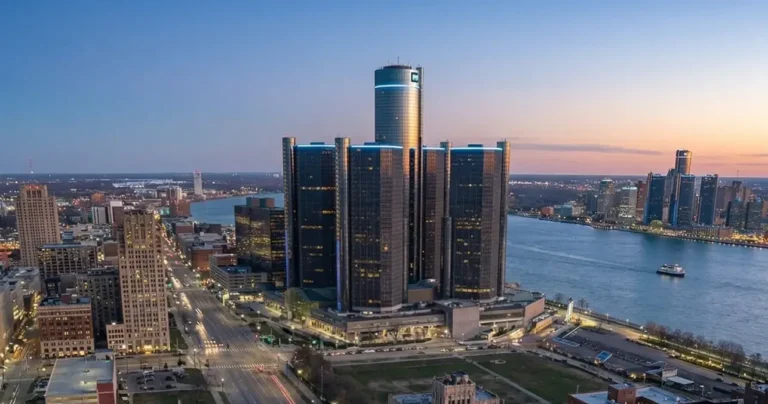
But when enterprises decide to repatriate, where they land their hardware is just as critical as why. Increasingly, IT leaders are looking away from traditional coastal hubs and setting their sights on the Midwest. Here is why Michigan has emerged as a top destination for that build-out.
When scouting sites for long-term IT infrastructure, data center developers and enterprise CTOs evaluate power, climate, location, and cost. Michigan offers a combination that is hard to find elsewhere, building an advantage in nearly every category.
Michigan’s naturally cooler climate reduces the energy required for cooling compared to data centers built in warmer regions. This is particularly critical for repatriated AI and high-performance computing (HPC) workloads that generate massive amounts of heat. By utilizing the region’s climate alongside advanced facility designs, data centers can operate far more efficiently.
Uptime is the ultimate metric for any repatriated workload. Michigan’s low risk for earthquakes, hurricanes, and floods provides a stable environment for data centers, minimizing downtime risks.
To attract major tech investments and hyperscale campuses, Michigan exempts qualifying data center equipment from its sales and use tax. Standard qualified data centers can claim the exemption through 2050. For enterprises purchasing millions of dollars in servers and networking gear for their repatriated infrastructure, this translates to massive long-term savings.
Michigan’s central location in the Midwest puts it within reach of major population centers such as Chicago and Detroit, as well as the broader Great Lakes region. This allows businesses to serve a massive customer base with ultra-low latency.
If your organization is planning to repatriate workloads to control costs or improve performance, Xera’s Southfield DET01 facility is engineered to be your ideal landing zone.
While many standard colocation facilities struggle to support the extreme power and cooling demands of modern repatriated hardware, Xera DET01 is purpose-built for the future:
The cloud is no longer a one-size-fits-all solution. By repatriating predictable, high-density workloads to a premium Tier 3 facility in Michigan, you can regain control of your budget and your architecture.
This local news report provides further context on how communities and policymakers are currently discussing the recent surge of data center developments across Michigan.